
Leading Hawks into the Twilight of the Republic
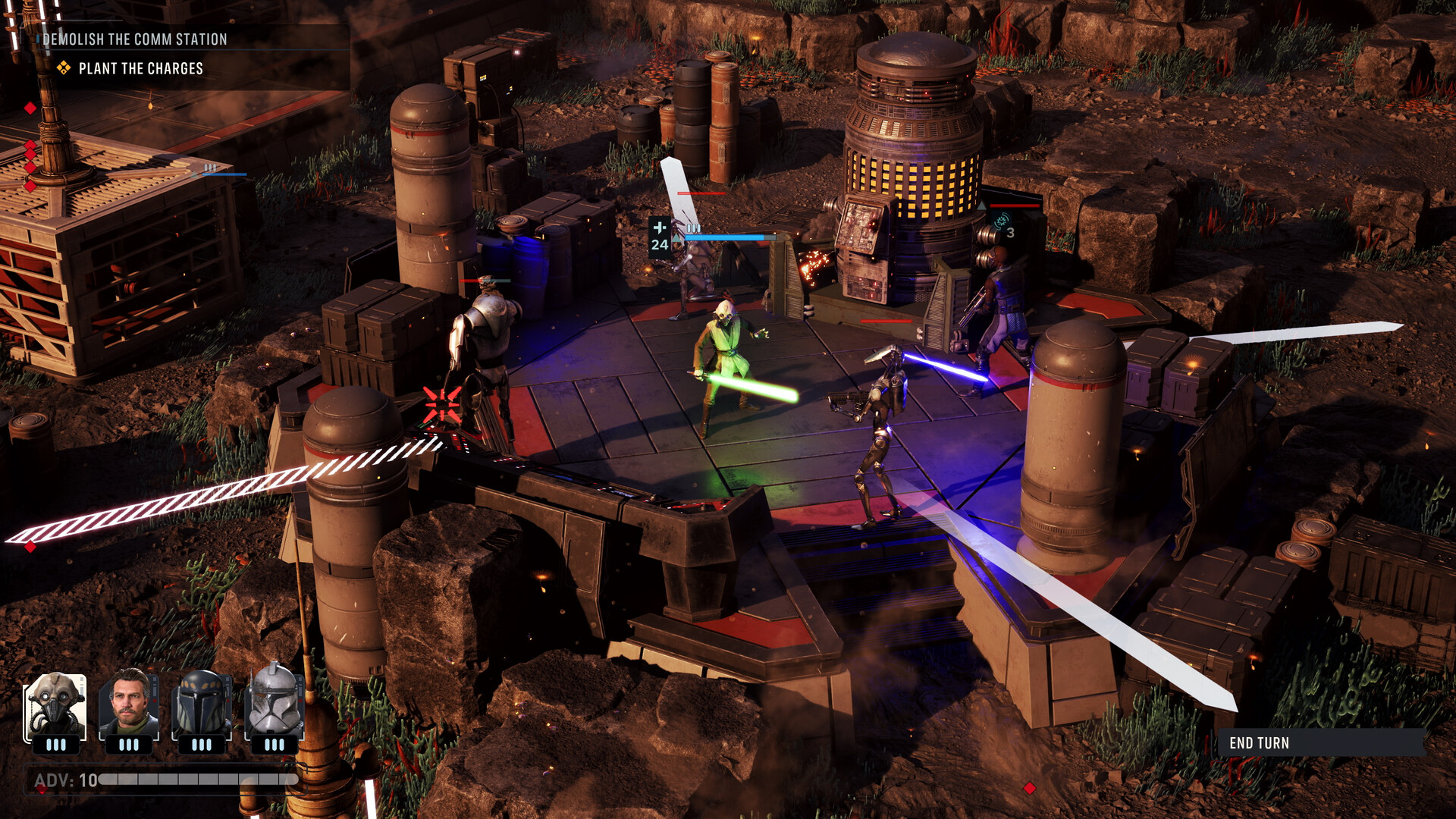
My Steam library has no shortage of tactical squad battlers that demand forty hours before anything interesting happens. STAR WARS Zero Company avoids that trap early. You play as Hawks, an ex-Republic officer pulled back into service to direct a covert squad against a rising galactic threat during the tail end of the Clone Wars. The setup gets out of the way quickly, handing over squad management and mission deployment without forcing you to sit through twenty minutes of unskippable introductory chatter.
The writing keeps the mood grounded. Instead of grand speeches about destiny, dialogue sticks to mission briefs, tactical updates, and concise back-and-forth between squadmates on the ground. Full English audio and interface support mean you get clean voice performances across the board. The narrative does what a campaign setup ought to do: establish the stakes, give your squad a reason to pull triggers, and let you get down to plotting grid movement.
Tactical Deployment and Squad Synergies
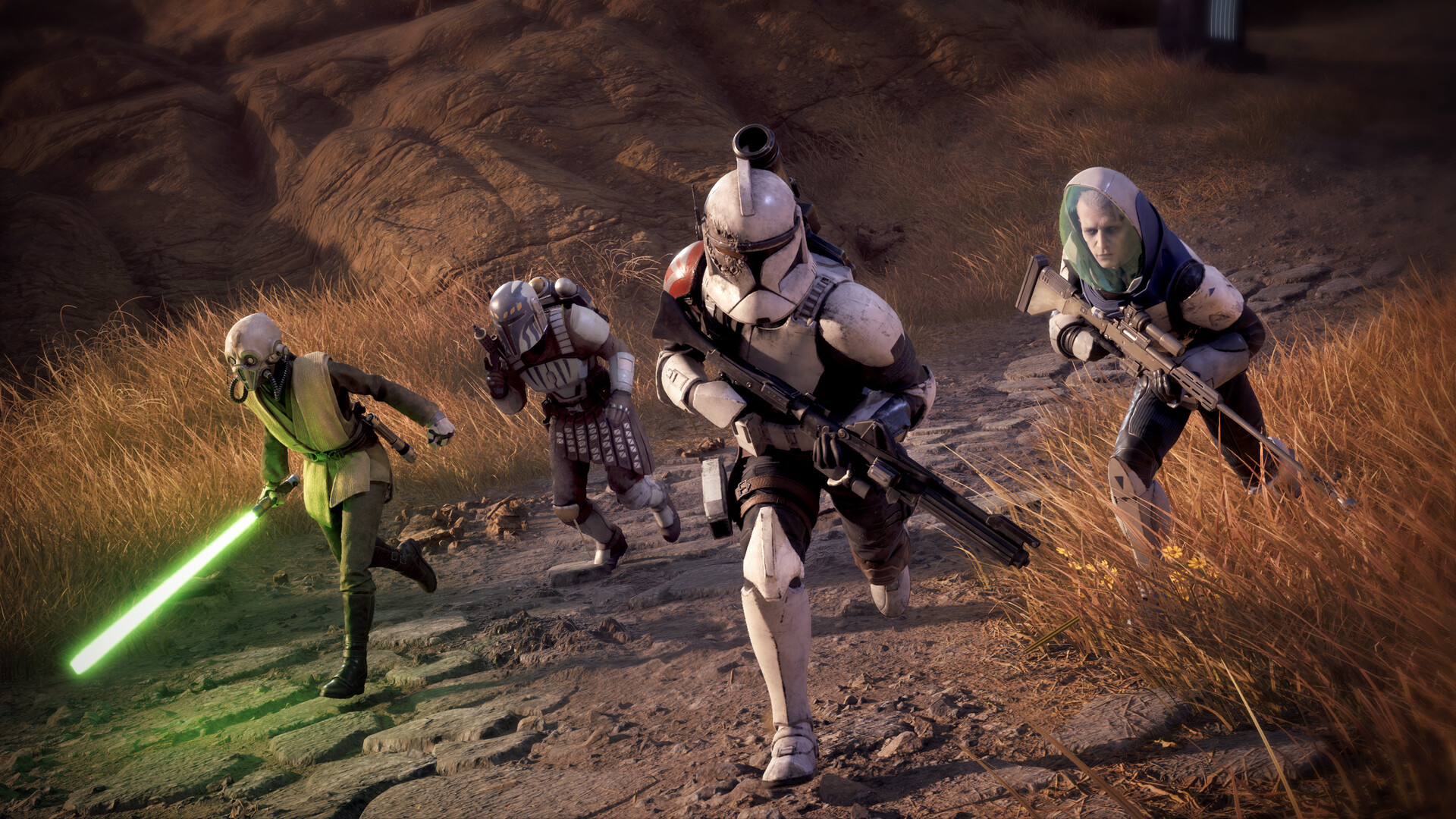
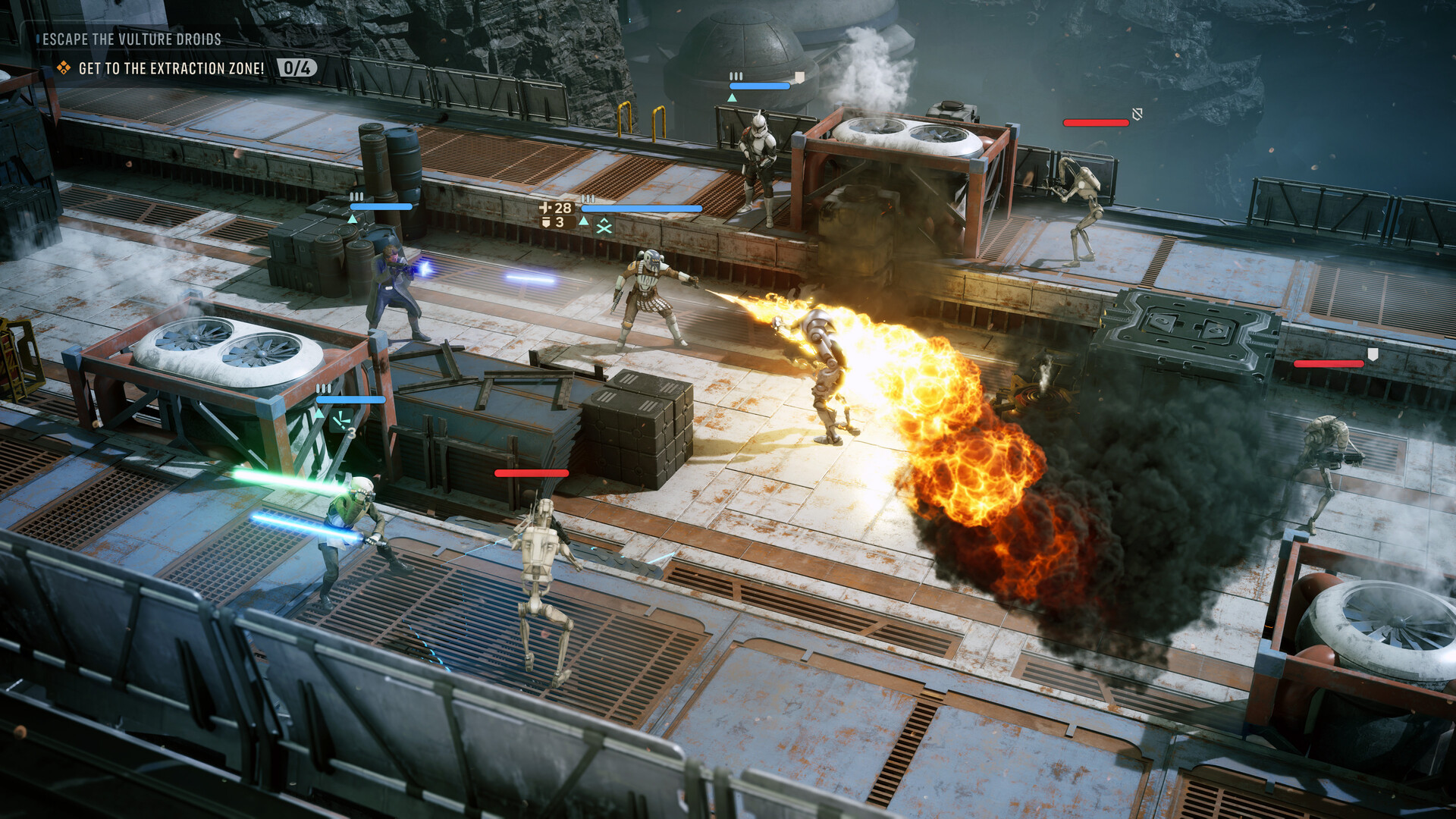
Combat runs on clean turn-based bones where positioning and sightlines dictate your success. You build out a fireteam from distinct archetypes like scoundrels, combat-ready astromechs, and the occasional Jedi. Each archetype brings dedicated skills, but the real meat comes from combat synergies that open up as operatives take the field together. Lining up an astromech to compromise enemy cover right before your marksman takes a shot feels earned rather than scripted.
Customization is handled right on the operative screen. You can tweak Hawks' look and combat specialization, modify squad appearances, adjust loadouts, and pick abilities to suit the next drop. The menus respond instantly to mouse clicks, lacking the sluggish console-port delay that plagues so many modern strategy releases. Bit Reactor clearly built this interface for people who want to swap gear, confirm their roster, and deploy without fighting five submenus.
Base Management That Respects Your Schedule
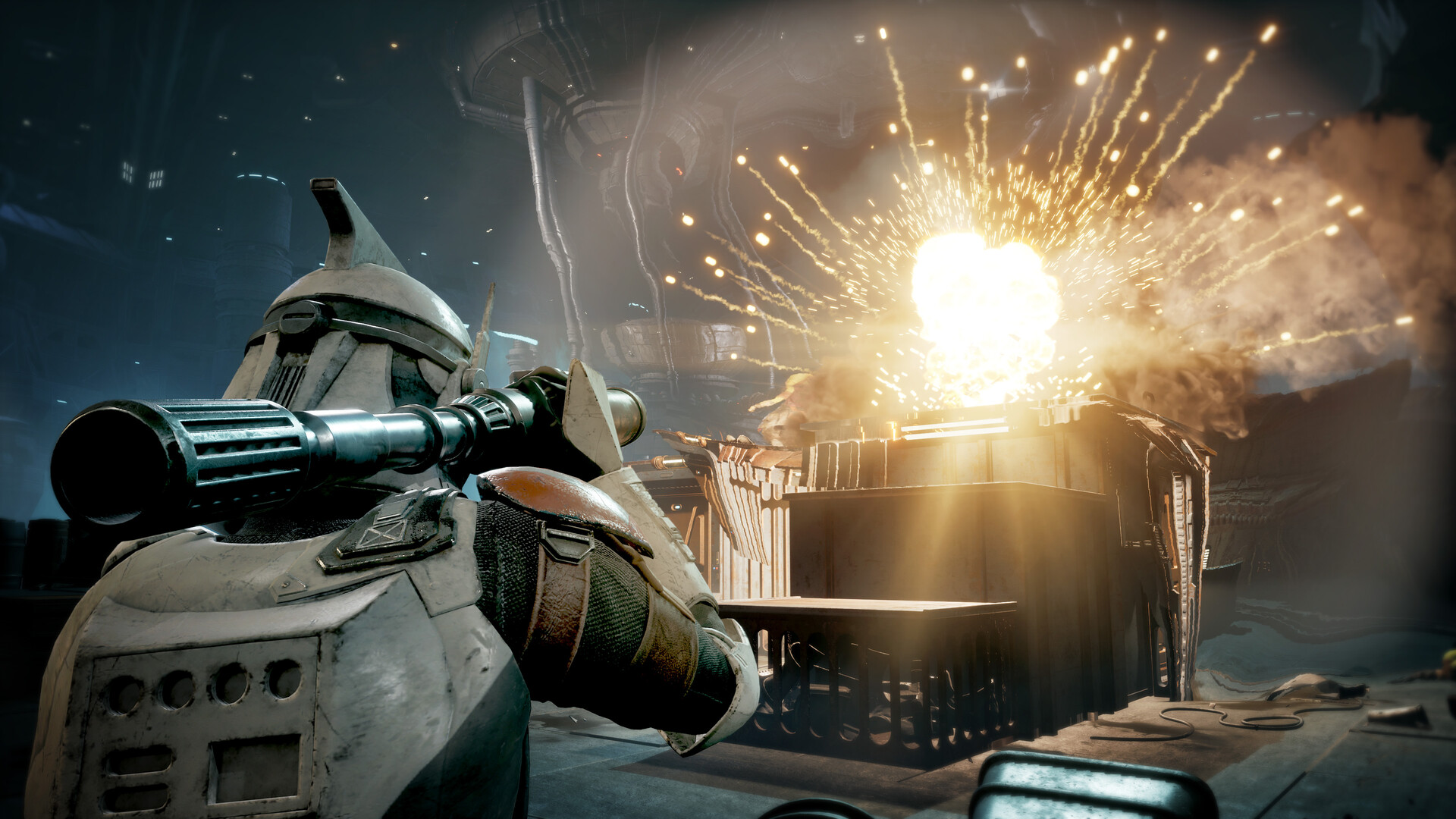
Between tactical operations and field investigations, you return to your base of operations. A lot of strategy games turn base maintenance into an exhausting chore list of tiny timers and resource micro-management. Here, decisions stay focused. You check operative recovery, review the outcome of past choices, adjust loadouts, and select your next deployment from the galactic map.
Your decisions actively alter the flow of a run, opening specific operational branches while locking off others. There is no artificial padding designed to stretch a single campaign across a month of evenings. You assess the tactical map, choose an operation that addresses an immediate danger, and load back into the field. It is a tight loop that values a working adult's free time.
Where the Drills Show Some Repetition
The combat loop does reveal its boundaries after several extended play sessions. Enemy encounter varieties in mid-tier investigations can fall into predictable formations, where opposing forces drop into identical defensive postures. Around the fifteen-hour mark, you start seeing the game repeat its ambush templates on urban layouts, which takes some tension out of advancing your point man into unknown territory.
Even with that occasional reuse of combat scenarios, the core mechanics remain dependable. At fifty dollars on Steam, the package feels properly priced for what it delivers. It provides a focused single-player tactical campaign with genuine build variety and zero multiplayer live-service baggage bolted on to waste your hours.



Comments 0
BestNewestNo comments yet.