
Handling and Dodging Under Pressure
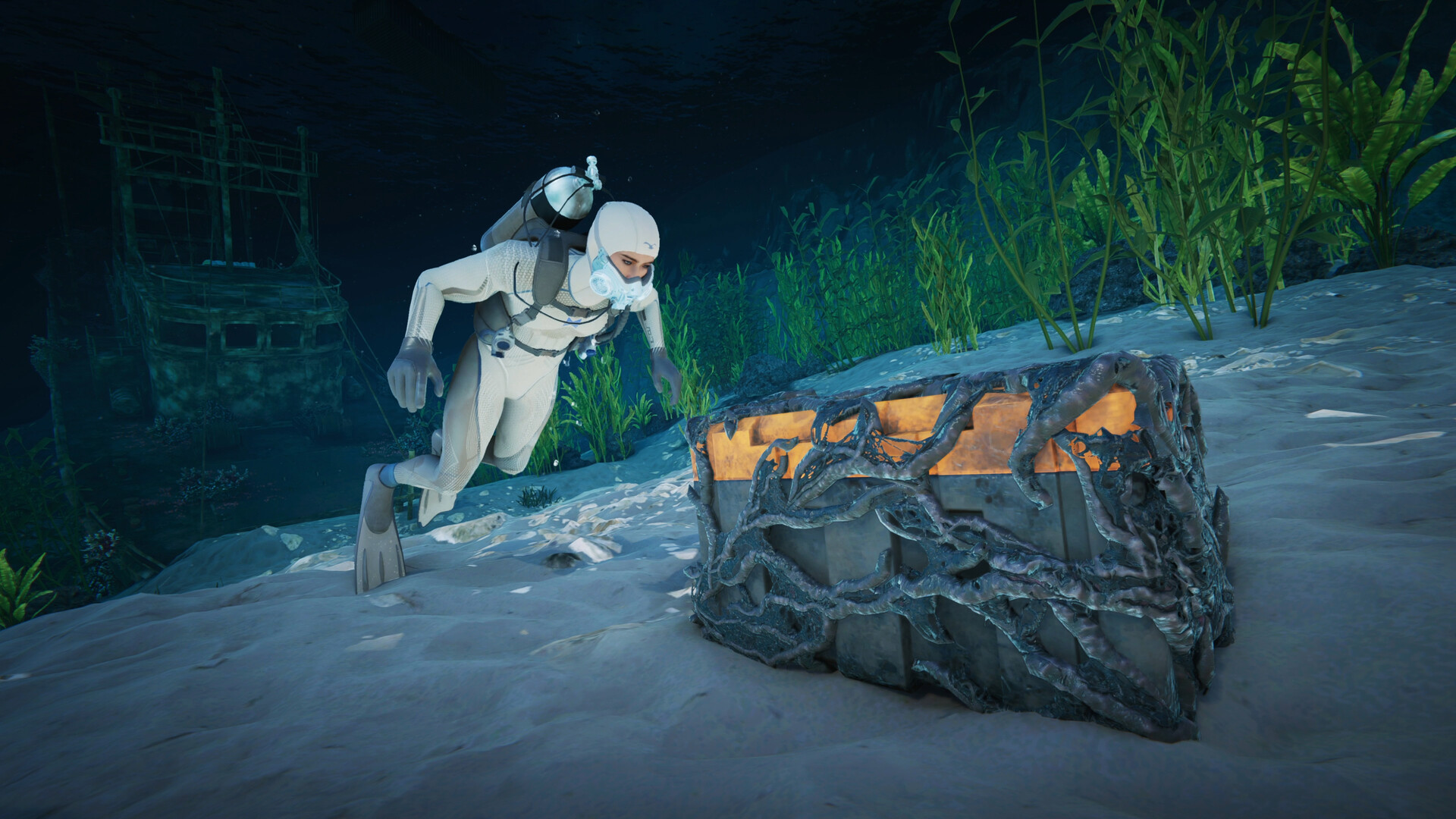
Your hands tell you what kind of game you are playing within ten seconds of touching the WASD keys. In Once Human, character movement has weight, but not always the good kind. Turning your survivor on a dime feels slightly drifted, and your sprint takes a beat to register after firing a weapon. When you tap the dodge key, the evasive roll covers decent ground, yet the animation lock at the tail end leaves you standing still just long enough for an attacking claw to catch your shoulder.
Full English voice acting and text interface are in the client, which makes following early mission alerts simple without squinting at subtitles mid-fight. The basic controls map cleanly to standard mouse and keyboard survival layouts. Even so, the transition between aiming down sights and snapping back into third-person melee feels sticky. If an infected ghoul closes the distance while your shotgun is empty, switching to a blade takes just a half-second too long to save your skin.

Passive Targets and Gun Customization
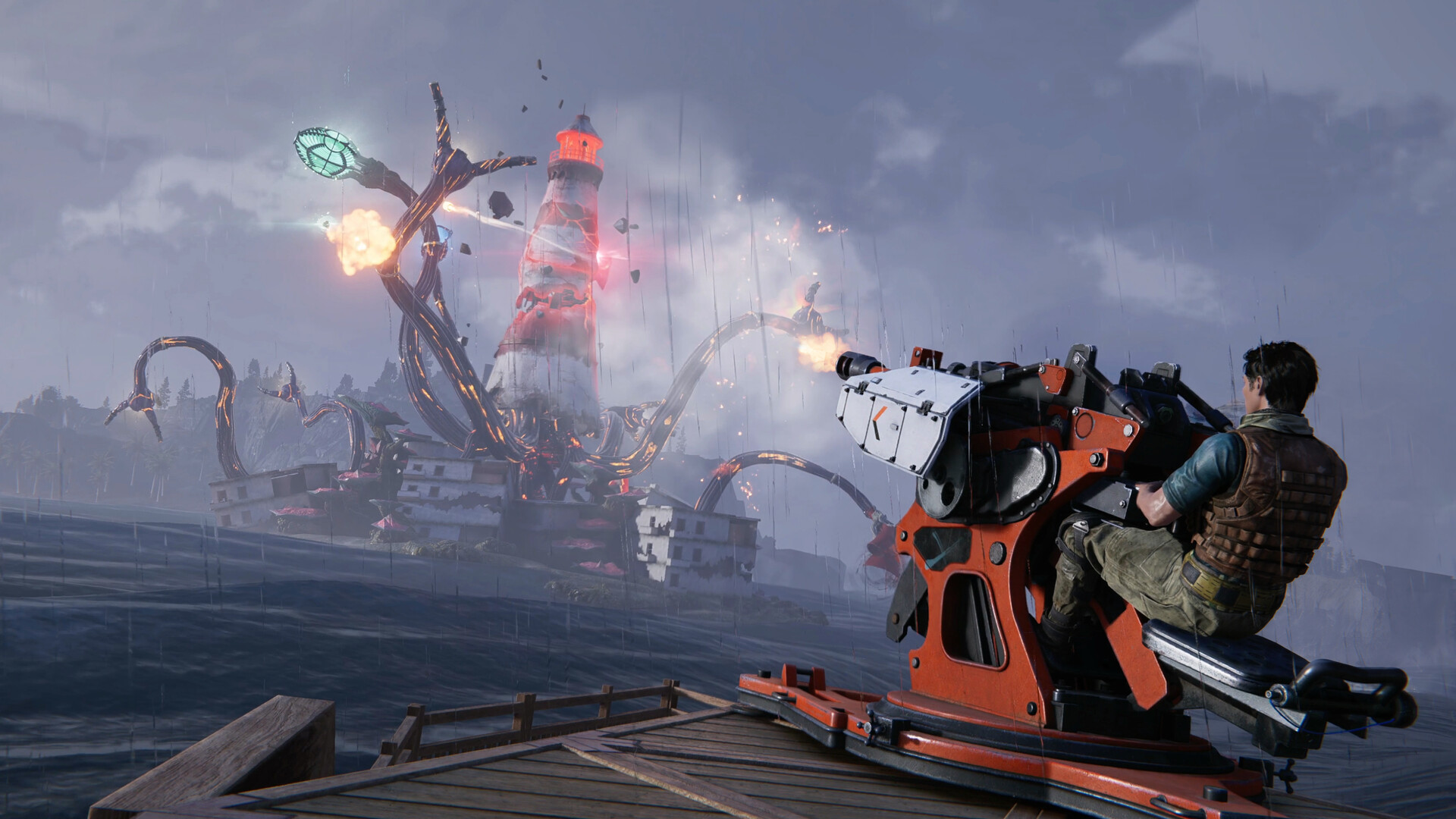
The enemy roster looks disturbing, but too many early monsters move like wooden training dummies. They stand in open fields, stare as you line up headshots, and stumble forward on long telegraphs that give you way too much time to step out of harm's way. Dimensional bosses pack bigger health pools and slap down wider hazard zones, but their active hitboxes rarely demand the tight evasion timing I look for in an action game. You mostly walk in a circle, hold left-click, and wait for their health bar to melt.
Crafting firearms is the part of combat that actually works well. The game spreads around one hundred gun blueprints across seven distinct categories, letting you bolt on scopes, muzzle parts, and perk modules. Slapping a fresh barrel on a rifle sharpens the spread noticeably. Finding new schematics gives you a genuine reason to clear out abandoned factories, even if the critters guarding the loot bins rarely put up a lethal fight.
Territory Building and Stardust Sickness
Between skirmishes, you manage your body against an infected world. Contaminated soil and dirty water expose you to Stardust, chewing directly into your Sanity meter. When that bar drops, your max HP shrinks with it. Carrying clean rations turns into an active chore rather than a background timer, and picking through dirty ruins requires actual caution before you take a swig from a found canteen.
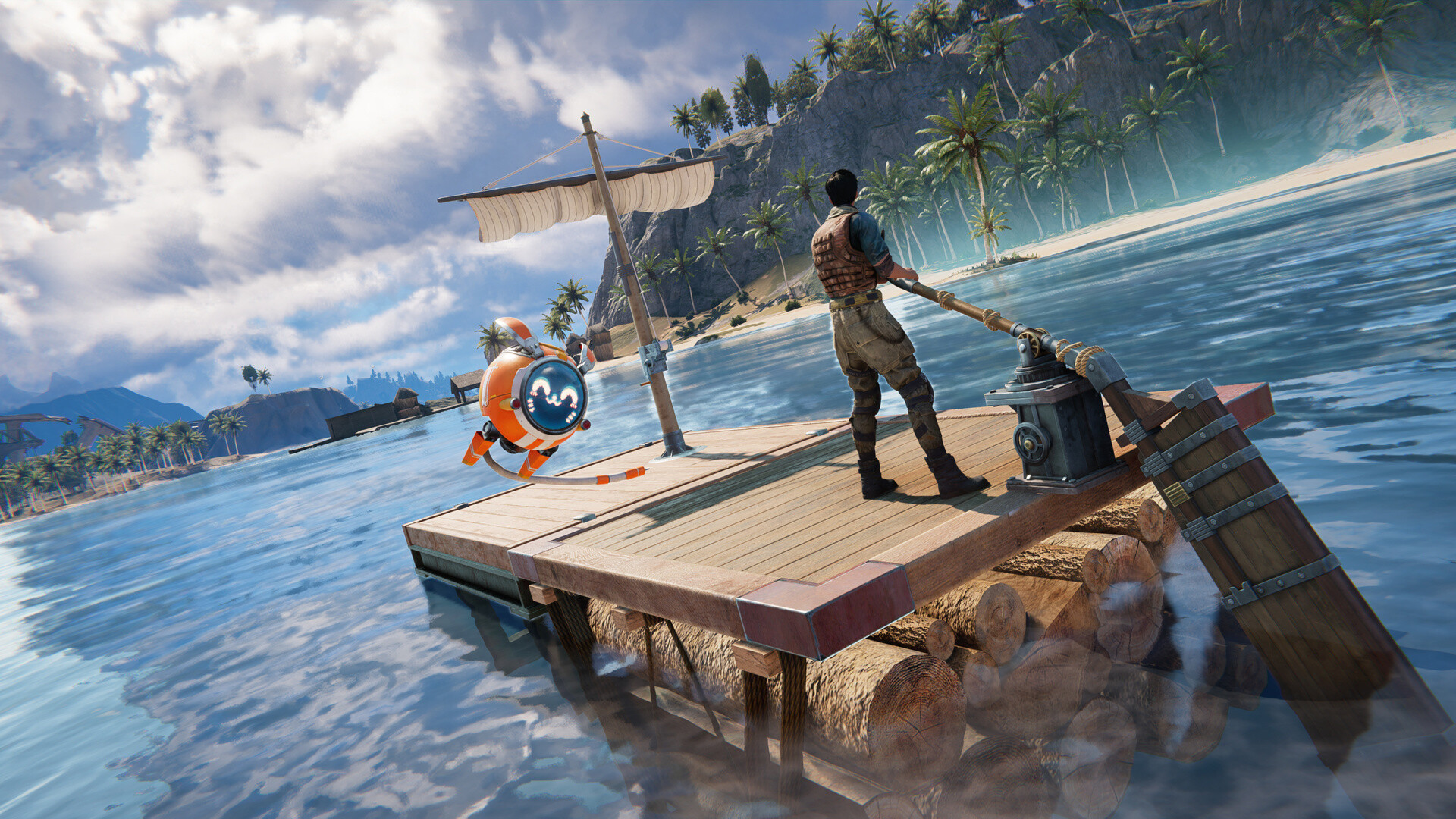
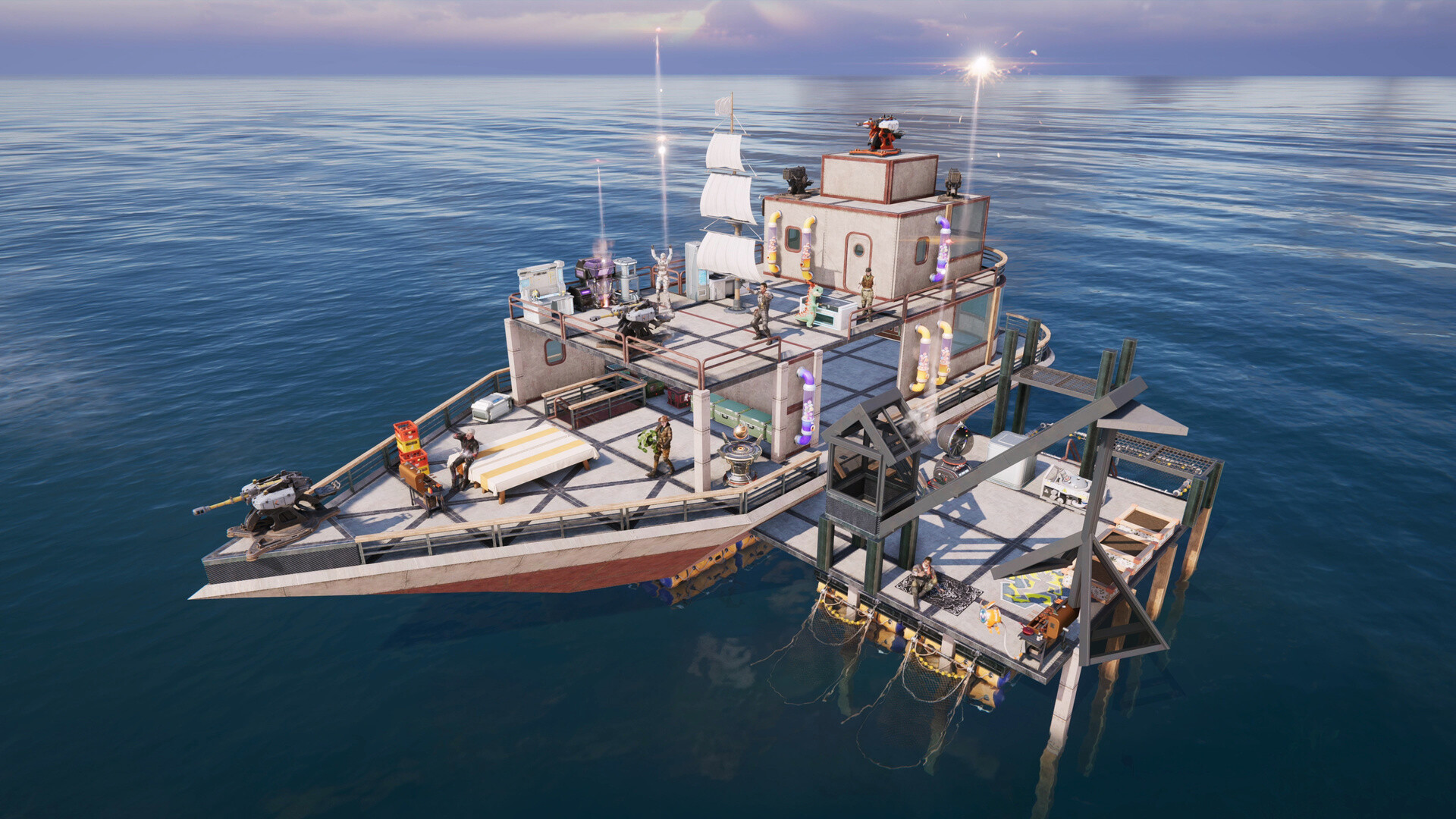
When you need a place to reset your Sanity, you drop a Territory Core and start slapping down walls. The building grid snaps together quickly, letting you throw together anything from a cramped wooden storage shed to a sprawling home with a garage and patio. The best design decision here is mobility. If your current plot runs out of nearby ore or sits too far from your current quest markers, you can pack up the entire homestead and relocate it instantly to fresh ground.
Menu Clutter and Free Content
Getting past the combat and building means dealing with an absurd barrage of menus. Starry Studio packed the interface with multiple tabs for journey progress, season events, daily claims, and milestone rewards, each with its own blinking red notification dot. You spend minutes after every play session just clicking through sub-screens to clear icons off your display. It feels like navigating a phone game UI stretched across an ultrawide monitor, and it completely shatters whatever eerie atmosphere the wasteland tries to establish.
On the bright side, the free-to-play setup does not lock your gear behind cash walls. You craft your weapons, harvest your timber, and explore the map without hitting paid energy gates or forced wallet traps. Monetization sits squarely on cosmetics. That hands-off approach makes the messy UI easier to tolerate, even when you have to close three separate pop-ups just to look at your inventory.


Comments 0
BestNewestNo comments yet.