
Controls and Desk Work
I spend most of my time hunting for tight dodge windows and clean recovery cancels. I usually get bored fast when a game puts me behind a desk and expects me to read dialogue for hours. Dispatch sidestepped that problem almost immediately because the interface never drags. Mouse clicks on the strategy map register instantly, menus snap open without hitching, and moving between incoming dispatch calls and office banter has zero input delay. That snappy response matters when crisis timers start running down.
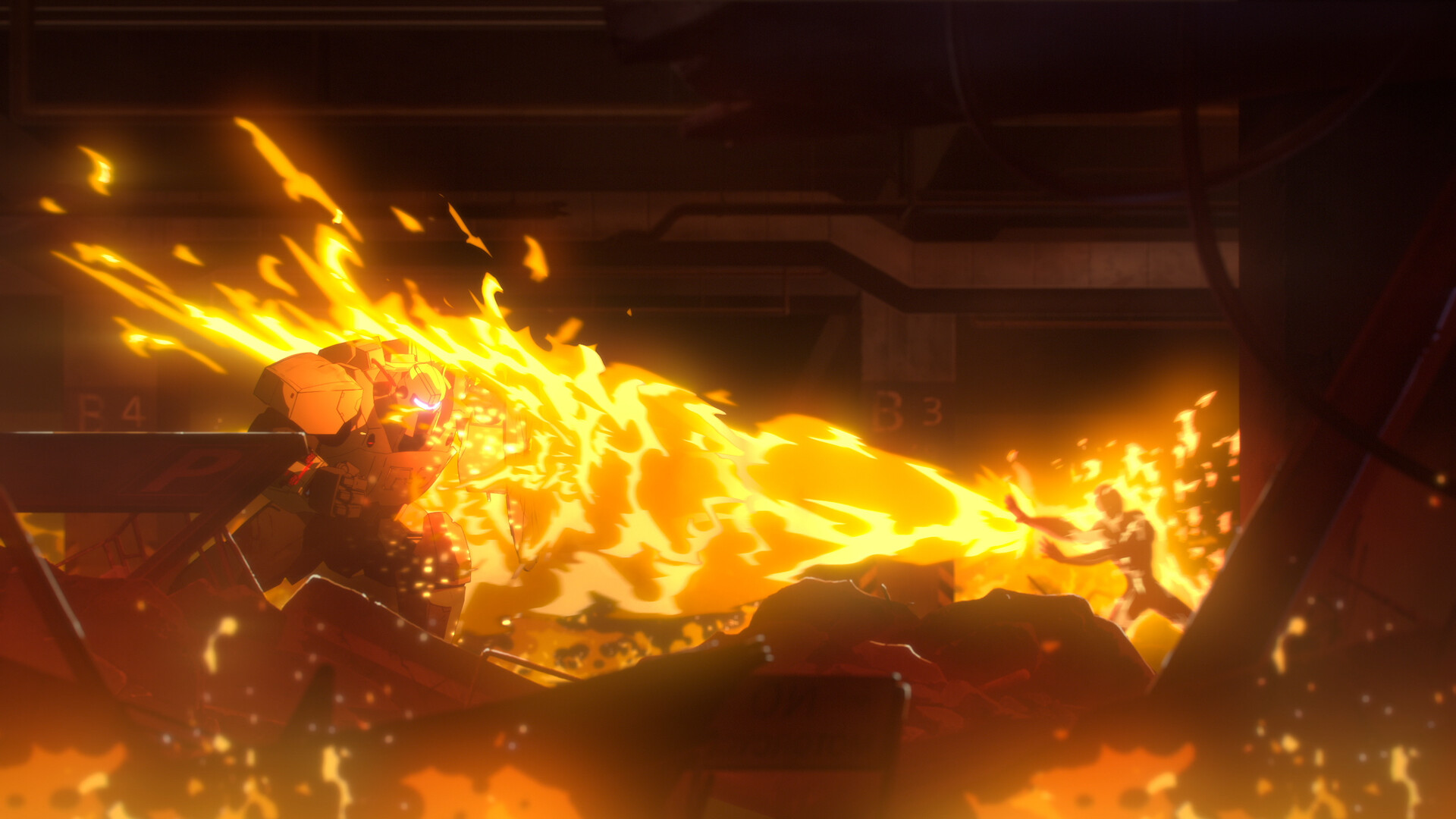
You play as Robert Robertson, formerly known as Mecha Man. His armored rig got wrecked in a fight against his arch-rival, leaving him broke and stuck working dispatch in Los Angeles. Instead of flying through skyscrapers, you babysit reformed ex-villains and send them out to put out fires across the city. The setup sounds slow on paper, yet the moment-to-moment inputs feel sharp. You are not waiting on sluggish transition animations or wrestling with loose cursor drift.
Tactical Deployment Under Pressure
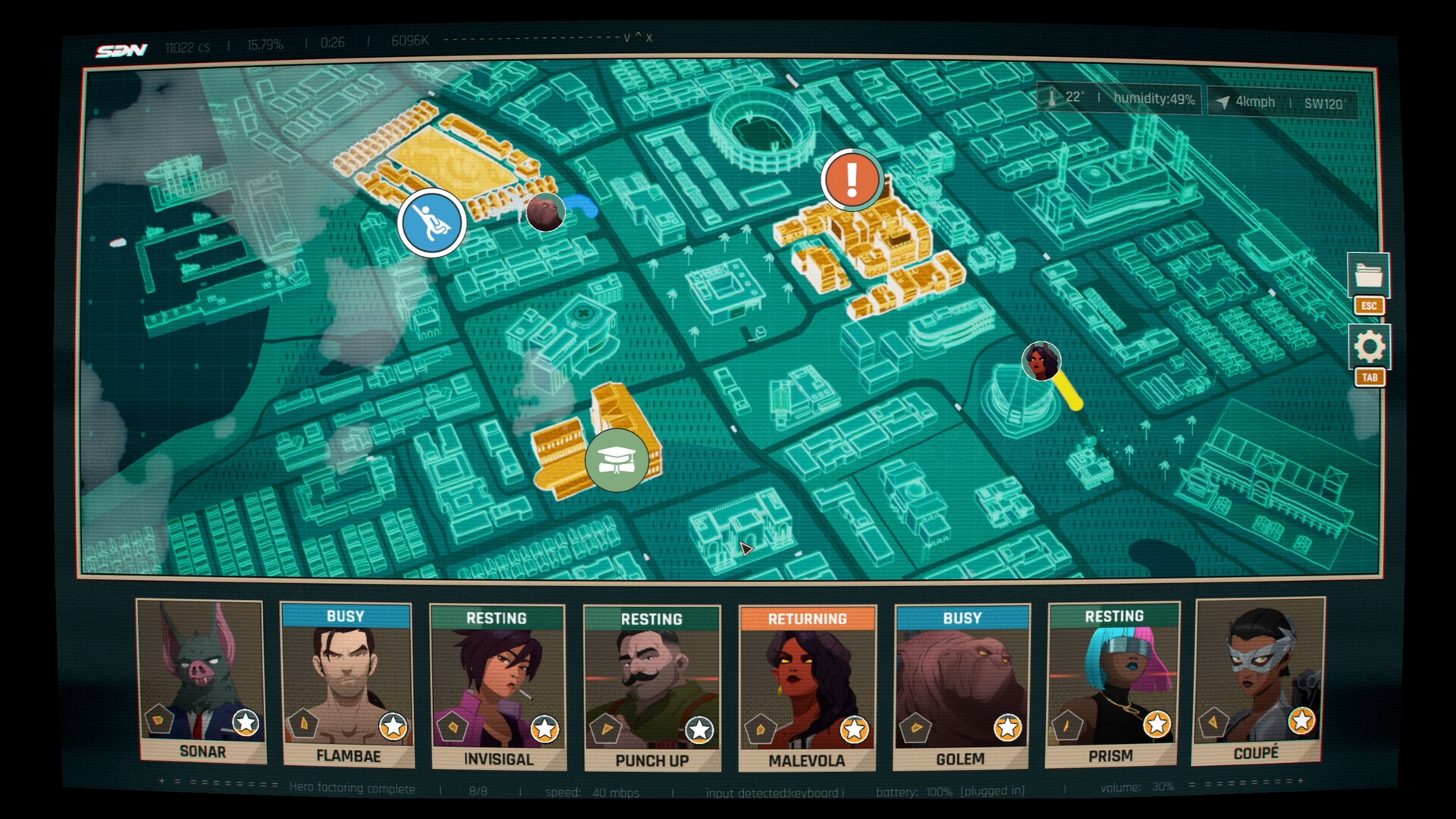
The core loop splits between managing the call center floor and working the Los Angeles city map. Calls light up across different districts, each demanding specific powers or personalities. You scan the problem, check who is resting in the breakroom, and deploy your squad. If you send a hothead with electric powers into a flooded subway tunnel, things go south fast. The tactical map makes you weigh squad baggage against raw utility, and upgrading abilities between shifts opens up cleaner answers for tough incidents.
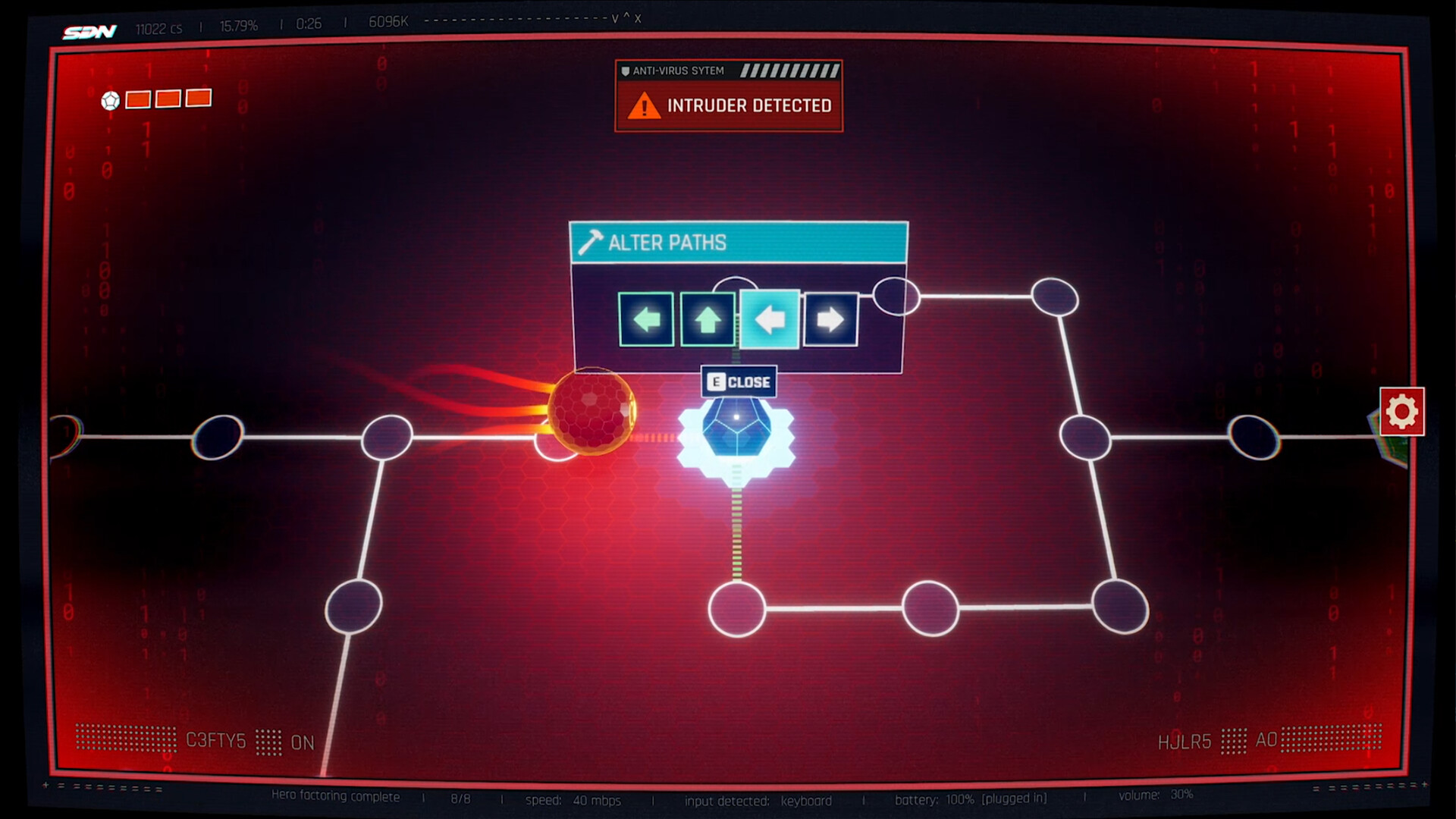
AdHoc Studio gives you timed choice windows that keep your hands on the keyboard. It is not action combat, but the active decision windows create actual tension. You commit to an order, watch the emergency unfold, and react when a hero goes off script. Missing a critical prompt or sending the wrong personnel leads to real collateral damage. The feedback on success or failure hits with solid visual punch, keeping the strategy sections from feeling passive.
Writing That Never Drags Its Feet
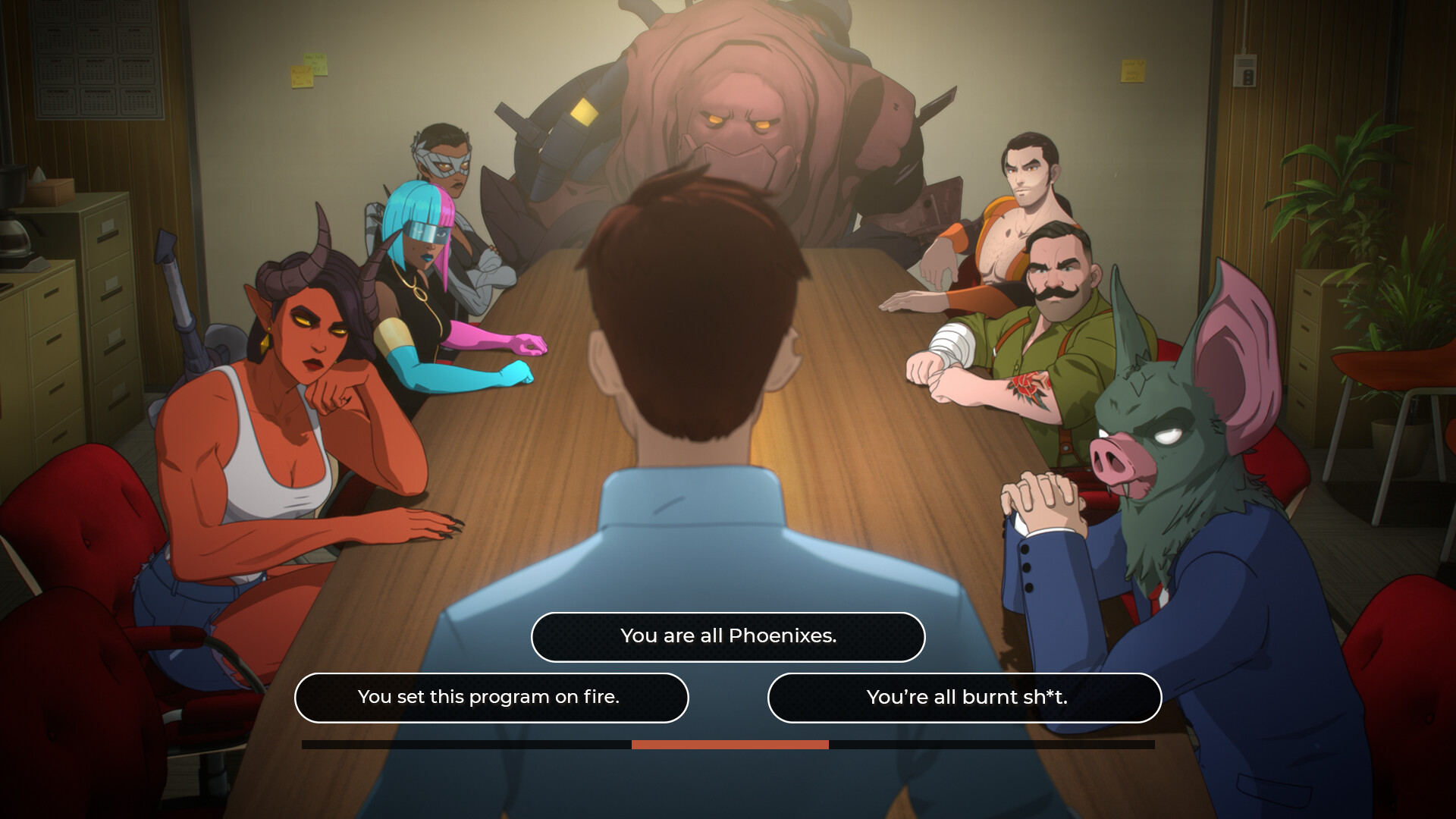
Former Telltale leads who worked on Tales from the Borderlands and The Wolf Among Us directed and wrote this game. That experience shows in how quickly scenes move. Breakroom conversations crackle with good timing instead of bloated exposition. Robert trying to fix his ruined mech suit while mediating petty arguments between ex-cons keeps the drama sharp. Having Aaron Paul in the voice cast gives the dialogue real weight, and the English voice track syncs tightly with character animations without awkward audio dropouts.
The comedy lands because it treats the superhero genre like grueling shift work. Your team consists of reformed screw-ups who complain about paperwork, harbor old grudges, and occasionally relapse into bad habits. Choosing how to talk to them directly shapes their morale out in the field. If you alienate a powerhouse during morning coffee, do not expect them to follow orders when a bank robbery turns ugly an hour later.
A Complete Run for Thirty Bucks
Dropping all episodes right away was the right call. Episodic games often die on cliffhangers while players wait months between updates, losing all muscle memory and plot momentum. Getting the entire package for twenty-nine dollars and ninety-nine cents makes the pacing feel unified. You can sit down, learn your roster, and push through the narrative arc without waiting on a roadmap.
My only real complaint is that I wanted late-game map encounters to push back harder. Once you upgrade key abilities and figure out squad quirks, a few emergency layouts repeat their solutions. Still, the clean execution, rock-solid frame delivery, and sharp storytelling make it easy to recommend even to players who normally stick strictly to action brawlers.


Comments 0
BestNewestNo comments yet.