
A Heavy Schedule, Completely Justified
I guard my gaming hours closely these days. When a sixty-dollar PC release asks for forty to eighty hours of my life, my immediate instinct is suspicion. Most large role-playing games pad their runtime with empty open terrain, chore boards, and endless crafting checklists that serve no purpose other than inflating play logs. Baldur's Gate 3 takes the opposite route. Every hour I spent over launch weekend felt hand-placed.
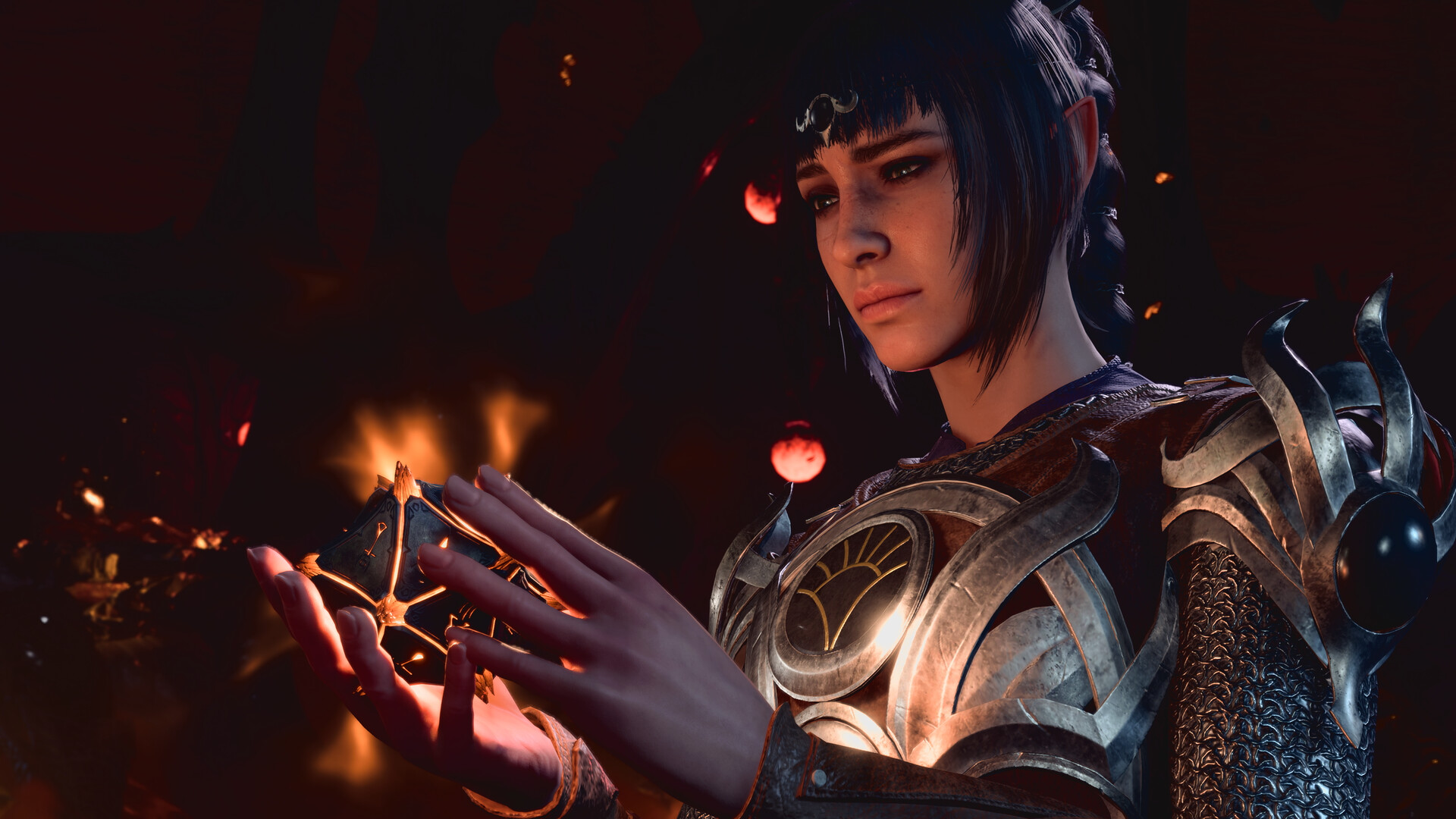
The opening sets up a straightforward dilemma. You are abducted onto a nautiloid flying ship and infected with a mind flayer tadpole that ought to turn you into a tentacled monster within days. Once you crash, your immediate goal is simply finding a healer who can cut the parasite out before your skull splits open. It is an urgent setup that could easily fall flat if the surrounding wilderness felt like generic filler, but Larian packs the roads with distinct scenarios. A dying monster pinned under debris, a ruined chapel loaded with bandits, or an uneasy standoff between desperate refugees and local druids all sit within walking distance of each other, and none of them waste your time with throwaway dialogue.
Tactical Freedom on the Ground
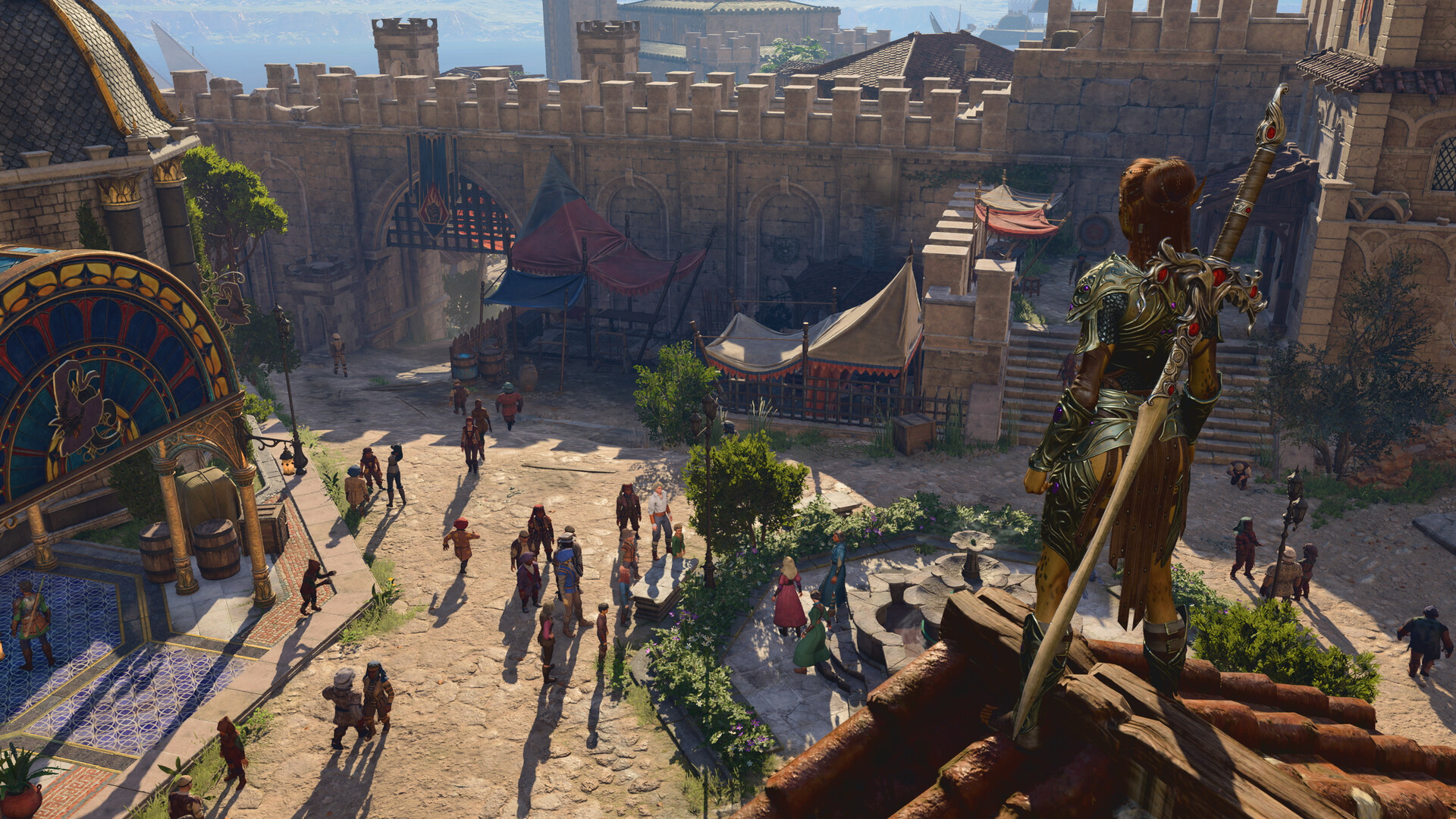
Combat runs on strict turn-based rules adapted from fifth-edition Dungeons & Dragons, and it rewards practical preparation over stat grinding. Positioning matters immediately. Shoving an archer off a high wooden scaffold does substantial falling damage and buys your frontline fighters an entire turn to close the distance. Dipping a longsword into a lit torch adds fire damage to your swing, while throwing a bottle of grease creates a slick surface that sends charging gnolls flat on their backs.
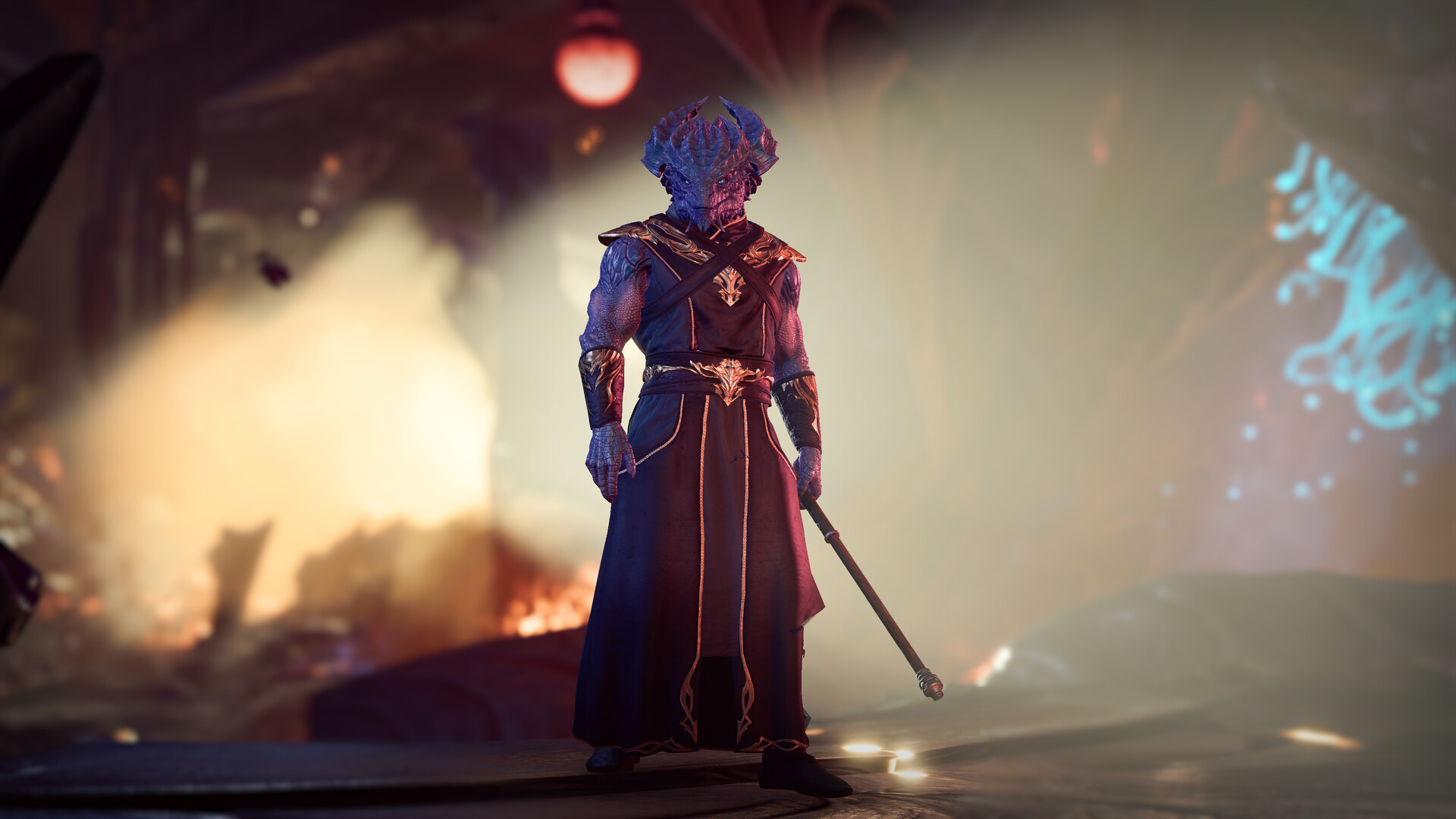
Character creation offers 12 classes and 11 races straight out of the Player's Handbook, alongside pre-made Origin heroes and an amnesiac custom option called the Dark Urge. I built an ordinary human fighter to test how basic weapon skills held up against the game's stranger encounters. Even with a straightforward martial build, tactical flexibility is everywhere. You are constantly scanning room layouts, looking for oil barrels to ignite or chandeliers to shoot down onto enemy clusters. The combat encounters do not blend together because the game rarely throws plain damage sponges at you.
Writing That Listens to Your Choices
The dialogue scenes avoid the usual trap of offering three answers that lead to the exact same outcome. Your race, class, and passive skill checks constantly color what options appear on screen. If you play a bard, you can talk your way out of hostile interrogations through brazen lies and performance checks. If you fail a dice roll, the game simply pushes forward along an alternate branch rather than forcing a reload, frequently leading to stranger and messier combat situations than whatever you had planned.
The English voice acting across the entire companion roster is crisp and committed, matching the detailed facial animations during conversations. These characters are not cheerful hired guns waiting around to applaud your leadership. They argue with your decisions, conceal their own dangerous backgrounds, and will walk out of your camp permanently if your moral compromises push them too far. Managing camp morale feels like keeping a fractious expedition from tearing itself apart, not clicking through a checklist of romance points.
Minor Rough Edges on the Rig
For a project of this scale built on Larian's Divinity 4.0 engine, technical stability on PC is solid, but not without quirks. Camera management during vertical fights inside cramped towers can be awkward. Selecting specific floor levels or trying to target an enemy standing on a narrow mezzanine occasionally requires wrestling with the mouse wheel and elevation toggles. Pathfinding for your party members outside of turn-based mode can also cause headaches, particularly when companions step directly onto acid puddles or fire patches that you carefully walked around.
Even with those camera gripes, the moment-to-moment pacing holds up. Many sprawling adventures start repeating themselves once you settle into a familiar spell rotation, yet the varied mission design here kept my interest through long sessions. You never feel like you are clearing icons off a map to satisfy an algorithm. Everything you encounter exists because a designer built a specific problem and gave you half a dozen ways to solve it.


Comments 21
BestNewest★ Best comments
am i bad at this or is the shove mechanic just jealous of my bard's low strength? asking for a friend
proper brilliant that mate. the lighting on the nautiloid had me proper gobsmacked first time i saw it. twenty minutes in and i knew this was special. verticality changes everything innit.
bought the digital deluxe, refunded by hour three. combat feels like a spreadsheet.
camera in the undercity is a nightmare btw. have you checked the control bindings yet? rebind rotate to mouse side buttons helps a lot
@lanternam i bad at this or is the RNG personally offended by me? also why does my rogue keep shoving the bard off ledges instead of enemies? asking for a friend
@Rory PThe shove interaction clockwork_dan mentioned is working as designed. Your rogue's athletics check contests the target's athletics or acrobatics. If the bard has low strength they'll go over the edge more often. Positioning matters more than people realize in the first few hours.
@Dan C.am i bad at this or is the shove mechanic just jealous of my bard's low strength? asking for a friend
@lanternY'all are fixin to overlook the clunky camera controls, I reckon.
wait there's verticality in combat?? did anyone else see the lighting on the mind flayer ship? how did they even do that
@outofpaperagainThis game really doesn't pull any punches, which kinda sucks after a long day at work. Feels like keeping a full party stocked up and alive takes way too much grind.
@mkc78y'all fixin to complain about grind but sixty bucks for this much game is dirt cheap. that's less than a diner biscuit. wait for a sale if you're pinching pennies but this ain't it chief.
@outofpaperagainproper brilliant that mate. the lighting on the nautiloid had me proper gobsmacked first time i saw it. twenty minutes in and i knew this was special. verticality changes everything innit.
I apologize in advance for the sentimentality. The origin stories feel written by committee rather than lived. The concluding chapter was genuinely moving in the wrong direction.
An intriguing turn of events. The party AI pathfinding through fire surfaces constitutes a war crime under the Geneva Convention. I shall file a formal protest.
Hot take maybe, but the origin backgrounds felt pretty thin to me.
@Phil M.mind flayer more like mind player am i right? origin stories hit different when you're a dad. no spoilers but karlach's ending completely wrecked me.
Proper heartbreaking when your party just strolls right through a cloud of acid on free roam.
rn the ai walks into fire, smh
has anyone tried doing this the slow way?
Y'all are fixin to be real mad, the balance is like spoiled sweet tea.
bought the digital deluxe, refunded by hour three. combat feels like a spreadsheet.
Baldur's Gate? More like Baldur's Great, am I right? Origin backgrounds actually making dialogue feel completely different for each build is wild.
fair dinkum the camera in those tight towers feels like a rogue kangaroo on a sugar rush. strewth, the nautiloid lighting still gives me a proper grin though. no drama.
Total letdown.