
Setting the Brass Scale
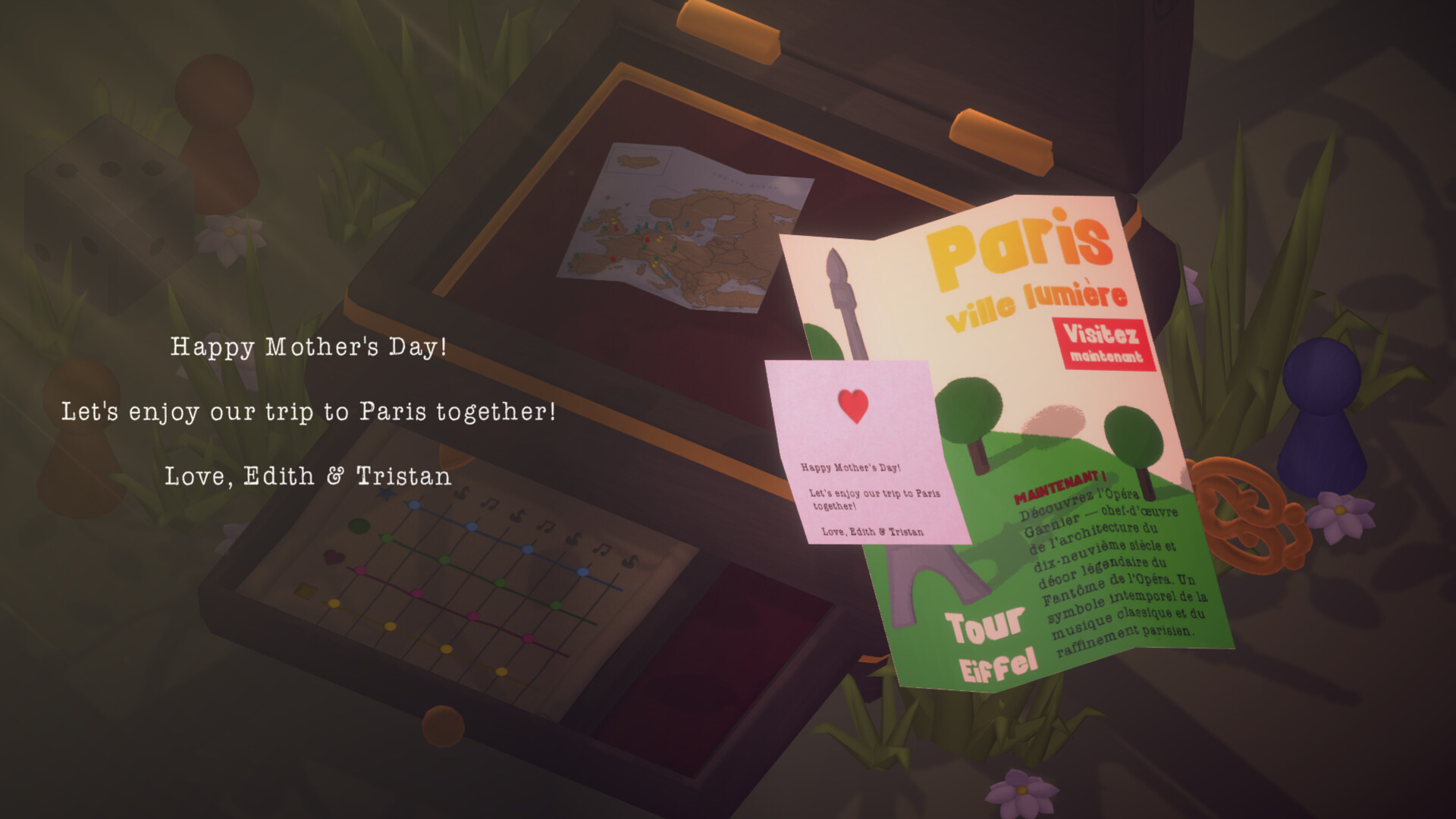
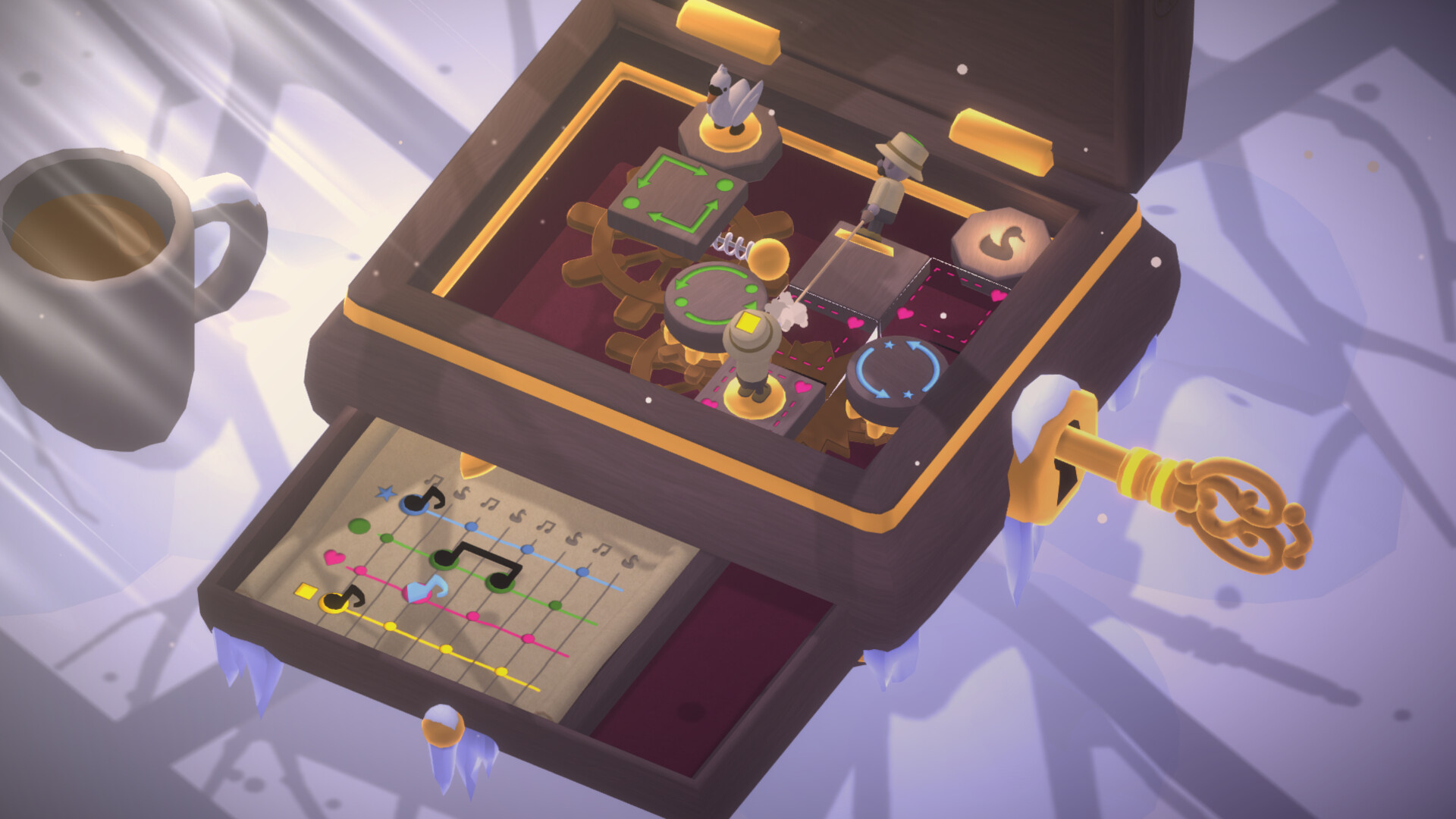
There is a distinct mechanical pleasure in winding a toy and letting go. In Swan Song, that physical rhythm governs everything you do, placing you inside an ornate, weathered music box where paths are broken until you arrange a melody across an empty staff. You drop notes of different shapes and sizes onto lines, estimating where a rising pitch might lift a bridge or where a held beat will keep a gate open long enough for a small brass swan to glide past. When you feel ready, you turn the winding key. The cylinder rolls, the music starts, and you watch your handiwork unfold in real time.
If your timing is off by half a beat, the bird gently bumps against a brass riser or halts in front of a chasm. It never feels punishing because restarting is simply a matter of snapping the key back into position and nudging a quarter note one slot to the right. The logic behaves like a tiny, melodic sequencer, and the early puzzles let you stumble into correct answers just by listening closely to the cadence of the measures.

The Weight Behind the Clockwork
Between these mechanical trials sits a narrative told across nine chapters, dealing directly with illness, family memory, and the slow ache of farewells. You sift through artifacts left behind by the craftsman who built the box as his final creative act. The narrative touches on terminal illness and death with an unhurried, gentle gravity, supported by English voice acting that sounds grounded and tired rather than theatrical. Because the game comes with full English voice and text, every spoken line lands clearly, letting the creator's regret breathe without drowning out the quiet of the room.
What struck me most was how well the puzzles reflect that thematic exhaustion. The puzzles are not built to show off cruel trickery. Instead, each board feels like an intimate thought the craftsman could not quite put into spoken words, leaving you to piece together the rhythm of his household through brass levers and lullabies.
Compositions by Jamal Green
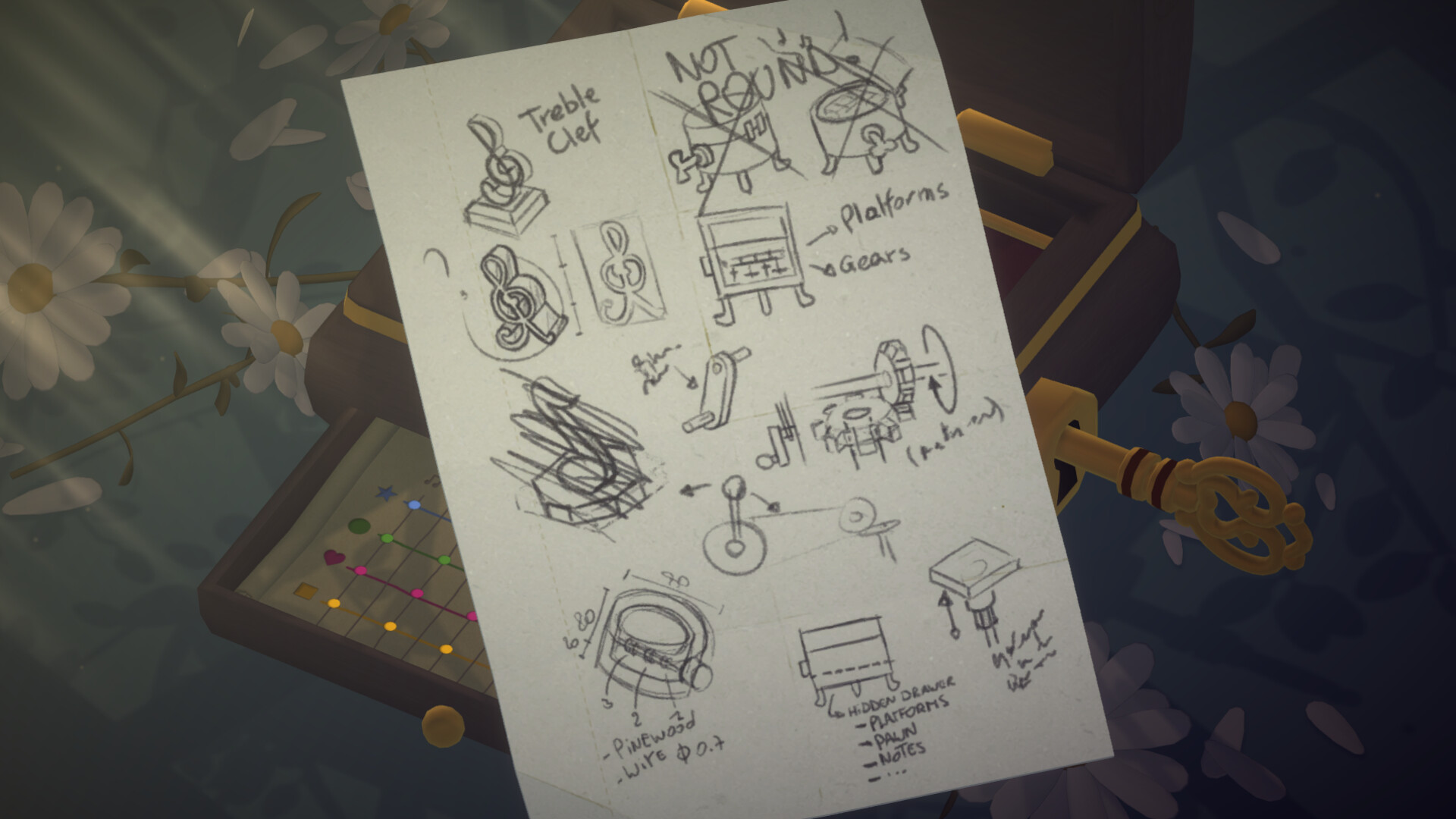
The soundtrack composed by Jamal Green carries an enormous share of the emotional weight across its eleven tracks. Instead of looping an identical tinny chime until you mute your speakers, the score weaves warm piano, muted strings, and delicate bell tones that react to the solutions you test. Testing a path becomes an auditory reward in itself, even when the swan fails to reach the exit gate, because hearing the notes snap into harmony gives you an instinctive clue about what still needs adjusting.
The menu interactions share that tactile care. Sliding notes onto the wooden ledger produces a soft wooden clack, and turning the winding key has a heavy, metallic click that anchors the entire presentation. It feels like handling an heirloom that has spent decades wrapped in flannel inside an attic trunk.
Room to Wander and Stumble
With one hundred and eight puzzles in the main campaign, the volume is generous for an eight-dollar indie title, and hidden secret levels give patient players a reason to poke at odd corners of the layouts. The difficulty curve does occasionally hitch in the later chapters. A few mid-game boards introduce tighter synchronization demands where you are essentially guessing which note duration triggers which platform through sheer trial and error rather than pure musical deduction.
Those minor hitches rarely sour the mood for long. Sitting with the music box as the evening wears down feels restorative, offering the kind of measured, thoughtful pacing that trusts you to sit in silence with hard feelings and a clever tune.



Comments 21
BestNewest★ Best comments
To answer timber directly: yes, the trial-and-error moments are the weak link, no argument from me. What stopped them from sinking the game is that every wrong attempt still rings with Jamal Green's music, so failing has a strange kindness to it. The tactile part is also real, the brass wheel turns with actual resistance under the cursor rather than a placeholder click. The score is half the experience, but the other half is that mechanical patience, and together they make the $7.99 feel properly spent.
finished all nine chapters an the ending actually got me lol. the trial an error timing ones r annoying but once u get the rhythm of the note placement theyre fine. solid little game for eight bucks
The tactile feel of the music box is pleasant, but I did notice the note placement markers appear to sit a fraction ahead of the audio cues on some timing puzzles. A small alignment tweak would help. The score is lovely regardless.
The review nails the grief angle, mate. Jamal Green's score is utterly lovely; I sat through the credits just listening. The clockwork music box stuff... proper choked me up, that.
@copperDid anyone else think the trial-and-error timing moments sound like the weak link? Also, is the music box manipulation really as tactile as paperlanterns says? The score alone sounds like it carries half the experience.
@timbertbh the trial and error thing would put me off too. i play to relax and guessing where notes go is just homework. the score sounds nice but i need more than pretty music lol.
@timberTo answer timber directly: yes, the trial-and-error moments are the weak link, no argument from me. What stopped them from sinking the game is that every wrong attempt still rings with Jamal Green's music, so failing has a strange kindness to it. The tactile part is also real, the brass wheel turns with actual resistance under the cursor rather than a placeholder click. The score is half the experience, but the other half is that mechanical patience, and together they make the $7.99 feel properly spent.
At $7.99 with eleven tracks and nine chapters, that's heaps better value than most indie puzzle games. The timing puzzles sound dodgy, but I'm stoked to give the music box stuff a crack anyway. Even if the visuals stay samey, that's an easy weekend purchase.
@frodos left shoeyeah frodo im with u, $7.99 is a steal if the score is even half as good as they say. great job to the devs on this one honestly. the voice acting sounds really thoughtful too, rare for grief-heavy games. my youngest keeps trying to grab the screen when i play. anyway one of the babies is crying gotta go
@danny bProper brilliant that mate. Barely twenty minutes in and the music box already has me grinning. Reckon Jamal Green's score is the real deal and seven ninety nine is a steal.
@bucketha yeah barely started and its already special. the way the notes click into place got me hooked (even if my youngest keeps grabbing the mouse). these devs did a great job with the feel of it. anyway one of the babies is crying got
honestly just good to chill out with (after a rough shift anyway). the review sold me on the music box thing (i love watching gears turn, it's soothing) and for $7.99 i can't complain. the timing stuff is whatever when ur half asleep.
the music sounds sick and the grief story is nice but the trial and error timing stuff sounds annoying rn. ill still play it. beat my puzzle time then talk to me
update: replayed the timing puzzles after reading this and it finally clicked. took a few goes but i got through all nine chapters. beat that then talk to me rn
@isitoveryetgood for u. still sounds like homework tbh. i'll stick to tower defense where the timings actually make sense.
the timing stuff sounds like exactly what id want after work (tower defense does the same for me so maybe i just like a little tension) but the music box part sounds lovely. might grab it on steam later tonight honestly, even if the visuals repeat a bit across the chapters that sounds fine. no stress either way (just my two cents though)
Only twenty minutes in but the voice acting already has that quiet, careful tone about it, mate. Reckon the score and the little clockwork noises fit proper nice together. Seven ninety nine for this? Lovely.
@bucketThe quiet after the last note... proper choked me up, that. Jamal's score treats the grief with respect instead of just poking it for tears. Nine chapters of that and I was gone.
finished all nine chapters an the ending actually got me lol. the trial an error timing ones r annoying but once u get the rhythm of the note placement theyre fine. solid little game for eight bucks
The tactile feel of the music box is pleasant, but I did notice the note placement markers appear to sit a fraction ahead of the audio cues on some timing puzzles. A small alignment tweak would help. The score is lovely regardless.
Nine chapters and eleven tracks for $7.99? That's cheaper than a breakfast platter at the diner, and it's likely to last you longer. I'm fixin to pick it up myself, even if those timing puzzles sound a little sharp.
Apologies for being too sentimental, but the way Swan Song ties its nine chapters together gave me more closure than I expected from a $7.99 game. The trial-and-error moments did annoy me, and the review is right to flag them. Even so, the concluding chapter was genuinely moving, and the restraint in the voice acting kept the grief honest.
Timber asked whether the music box manipulation really feels tactile, and I think it does in an unusual way. There is resistance in the brass wheel under the cursor, and the notes seat themselves with a soft click that lines up with the music, so each try feels like turning a real music box instead of dragging an icon. Even the failed placements have a gentle finality to them, which is rare for a puzzle game. I was less bothered by the uniform look across the nine chapters. That sameness read as a kind of ritual, the way grief circles back to the same memories. The score keeps the repetition from feeling cheap; each repeated attempt gets a slightly different emotional color. Apologies for the sentimentality, but the last chapter left me sitting in silence for a while.
The music box does feel tactile, and I won't argue with Jamal Green's score. But them timing puzzles are guesswork until the audio catches up, and that ain't the same as a fair puzzle. Y'all are fixin to overlook that if you get too cozy with the voice acting.